Roofing the Amtrak Corridor and the Riverfront Industrial Blocks of Rensselaer
Review the scope, field conditions, system options, and planning considerations for this commercial roofing topic.
Read More →
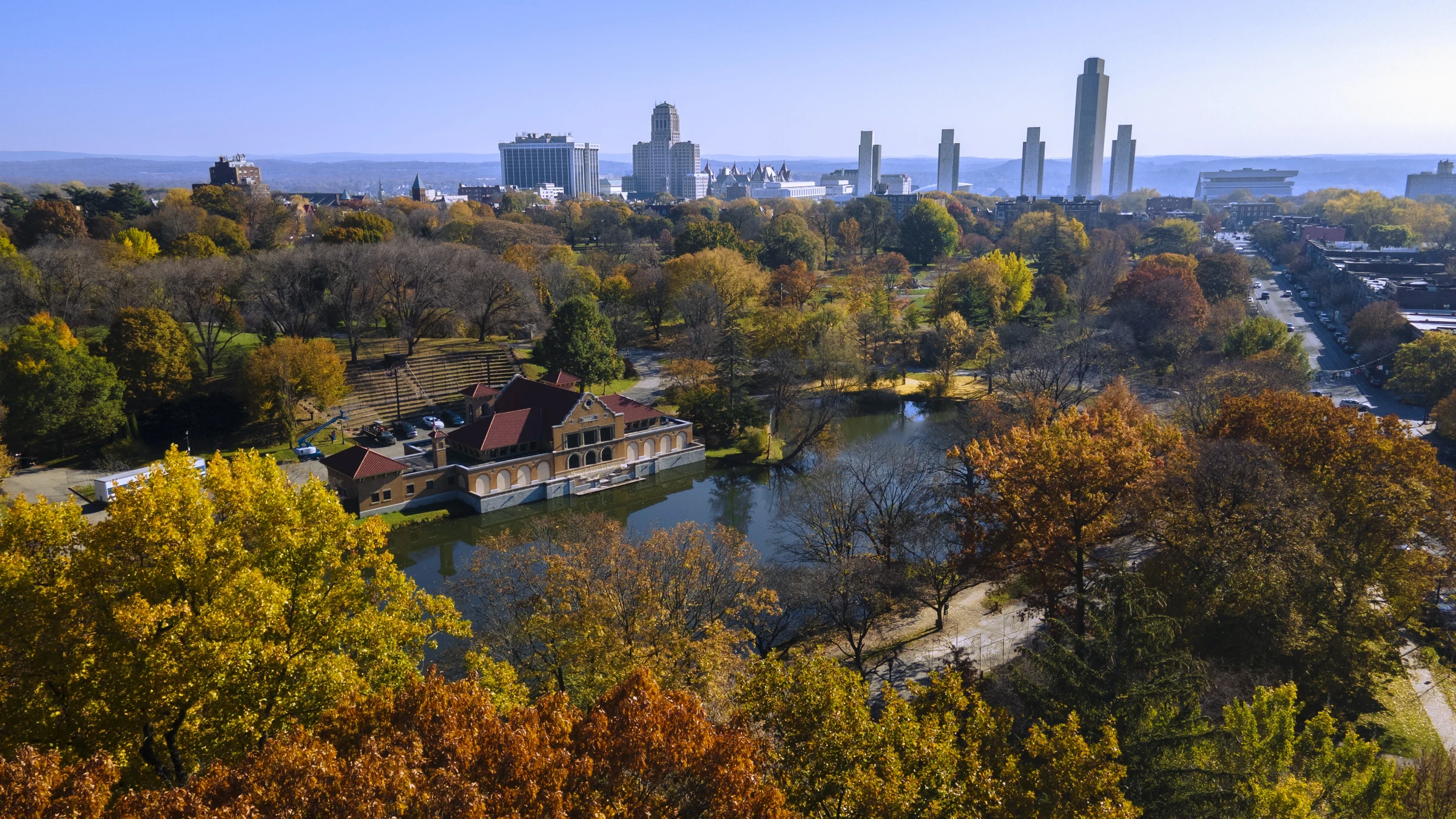
A practical commercial roofing plan for Saratoga Springs properties separates urgent leak control from repair, coating, maintenance, and replacement decisions supported by photos and condition findings. Saratoga Springs runs on a calendar most Capital Region towns do not have to think about: a summer race meet that fills every hotel, restaurant, and downtown storefront for six weeks, followed by a convention and event schedule that keeps City Center and the surrounding hospitality buildings busy well outside racing season. A roofing proposal that ignores that calendar is a proposal that has not accounted for when the work can actually happen.
A contractor unfamiliar with Saratoga will happily schedule a downtown reroof for late July without asking a single question about hotel occupancy or track traffic. That is how a project stalls out, gets bumped for noise complaints, or ends up paying overtime rates to compress a schedule that should have been planned around the calendar from the start. We build the track meet, major stakes weekends, and City Center's event calendar into the project timeline before we ever propose a start date downtown.
The upside is that Saratoga's slow season is genuinely slow. Late fall through early spring gives downtown buildings a real window for reroofing or major repair work without fighting hotel occupancy, restaurant patios, or pedestrian foot traffic on Broadway.
Broadway and the streets around it carry a lot of older mixed-use buildings with retail or restaurant space on the ground floor and offices or apartments above, sitting under flat roofs that were not always maintained to match the storefronts below. These roofs tend to get ignored until a leak shows up in a tenant space, at which point the building owner is dealing with a roofing problem and a tenant relations problem at the same time.
We treat downtown mixed-use roofs as an early-inspection candidate rather than a reactive repair call, because a small parapet or flashing issue caught in October is a lot cheaper than a ceiling leak discovered during a sold-out August weekend.
Hotel roofs downtown and along the Route 9 corridor near the track see occupancy swings that go from wide open in January to fully booked for weeks straight in the summer. A roof leak during track season on a hotel that is sold out costs more than a maintenance headache, it is lost room revenue and guest complaints that follow the property online long after the leak gets fixed. Ballroom and banquet space tied to City Center bookings carries the same exposure, since a rented function room with a stained ceiling tile is a refund conversation nobody wants to have mid-season. We push hard for hotel clients to schedule preventive inspection and any needed repair work in the shoulder seasons, well ahead of the meet, rather than waiting for a summer emergency call.
The convention center and nearby event venues run a booking calendar that does not leave the same gaps a standard office building has. Roof work on these buildings has to be coordinated directly against the events calendar, not against a generic construction-season assumption. We ask for the venue's booking schedule before quoting a timeline, because a two-week reroof estimate is meaningless if the building has three major events inside that window.
Saratoga sees the same freeze-thaw cycling as the rest of the Capital Region, but downtown's older buildings often have drainage systems that were never updated to match decades of rooftop equipment additions or building modifications. A roof that drains fine in October can pond and refreeze through a January thaw cycle, and that stress compounds year over year on aging membrane and flashing. We check drainage capacity against current roof conditions, not the building's original layout from whenever it was last documented.
Because hotel occupancy, event traffic, and noise sensitivity change dramatically during the meet. A schedule built without that in mind either stalls out or gets pushed to overtime rates to compress the work.
Often, yes, within the working temperature limits of the membrane system involved. Saratoga's shoulder seasons offer a real scheduling window that a lot of tourist-driven towns do not have, since foot traffic and occupancy both drop off outside the summer season.
It becomes a revenue and guest relations problem on top of a roofing problem. We recommend inspection and preventive repair in the shoulder season specifically to avoid that scenario, rather than responding to it after the fact.
Yes. We request the venue's booking calendar before quoting a timeline, since a standard construction-season estimate does not account for major events happening inside the proposed work window.
Parapet and cornice condition, drainage capacity against current roof loading, and flashing details around any rooftop additions. An early inspection catches most of this before it becomes an emergency call during peak season.