Reroofing Schools and Campus Buildings Without Losing a Summer
Review the scope, field conditions, system options, and planning considerations for this commercial roofing topic.
Read More →
An asset manager overseeing several buildings in this market doesn't need a roofing contractor who shows up for one emergency call. They need consistent condition data across a portfolio, a bid comparison that actually holds up, and a contractor who understands that a roof decision is a capital planning decision first and a construction decision second.
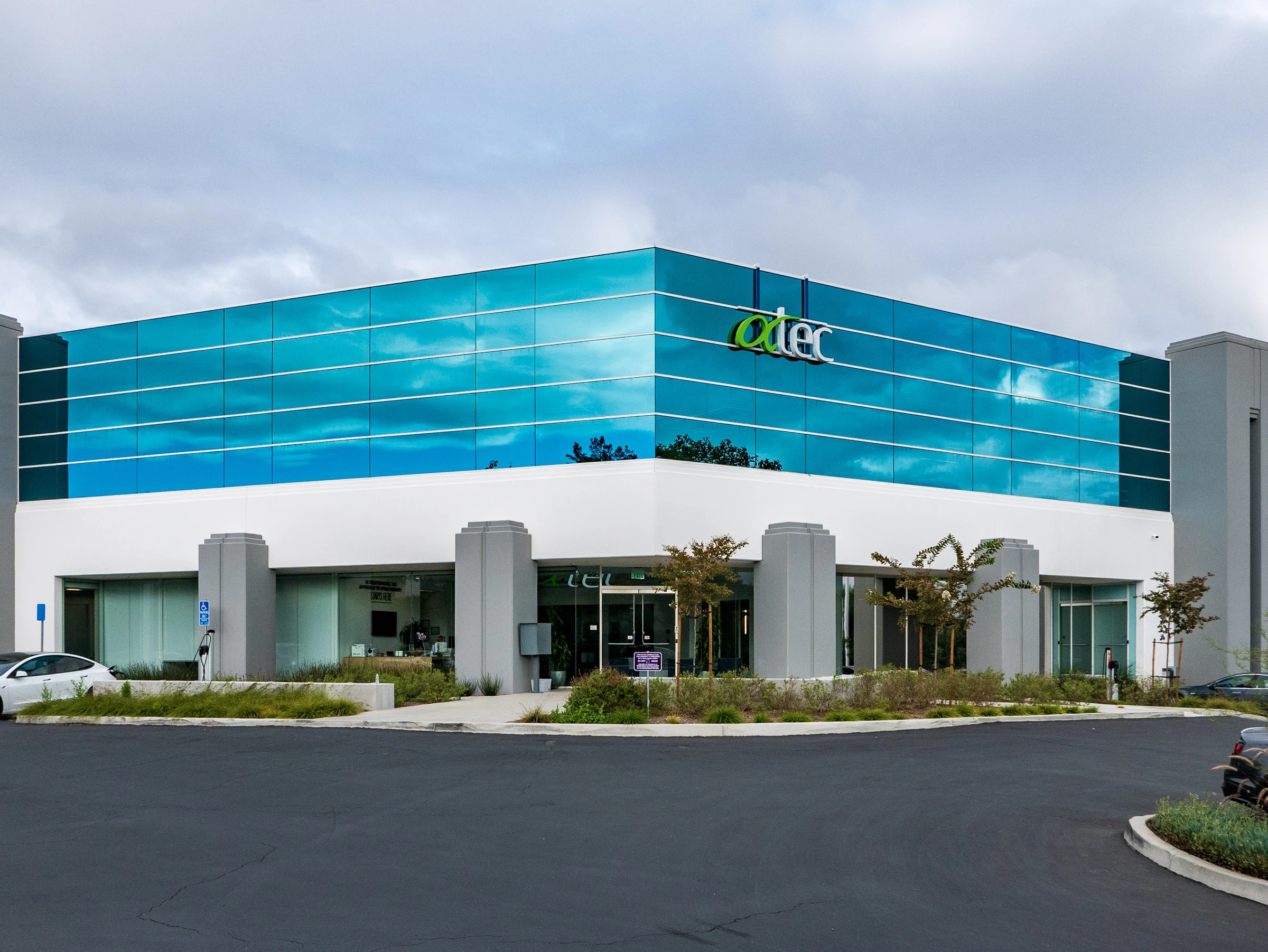
Downtown Albany's office towers, several of them leased in part to state agencies, sit alongside the office parks along Wolf Road and out toward Latham, where defense contractors and professional tenants occupy a mix of older and newer buildings. Retail runs from Crossgates Mall's surrounding pad sites in Guilderland to strip centers along Western Avenue and the Route 9 corridor through Colonie and Clifton Park. Each property type carries a different roof profile, but the capital planning problem is the same across all of them: knowing what a roof actually has left in it before the next lease renewal or acquisition underwriting cycle forces the question.
A reserve study estimate is a starting point, not a verdict. Generic remaining-life figures don't account for how a specific roof was actually maintained, what recover layers already sit underneath the current membrane, or what condition the flashing and drainage are in independent of the field membrane itself. We do a building-specific condition assessment, core samples where they're useful and moisture scanning where standing water or interior staining suggests trapped moisture, before putting a number on remaining service life that a portfolio manager can actually plan a budget around.
That distinction matters most at acquisition and disposition. A buyer relying on a seller's reserve study number without independent verification is taking on a roof liability sight unseen, and we've walked plenty of roofs where the paper estimate and the physical condition didn't match.
Roofing bids on a multi-building portfolio often come in from several contractors with wildly different scope definitions hiding behind similar-looking prices. A quote that says "TPO roofing system" without a membrane thickness, or "tear-off as required" without specifying how many existing layers get removed, leaves room for the contractor to downgrade the job later without technically misrepresenting the original number.
A comparison a portfolio manager can trust across multiple properties and multiple bidders should show:
Scheduling roof capital projects across several assets in the same quarter concentrates risk and tenant disruption at the same time. We sequence multi-building work so an asset manager isn't managing tenant complaints, vacancy exposure, and construction logistics on three properties simultaneously. Retail tenants along a strip center corridor are particularly sensitive to construction noise and access disruption during business hours, and we schedule around that rather than around our own convenience.
Timing also matters against the leasing calendar itself. A vacant suite that's mid-tour with a prospective tenant doesn't need scaffolding or staging equipment parked in front of it, and a roof project scheduled without checking the leasing team's showing calendar can cost a deal that has nothing to do with the roof at all. We ask for that calendar before locking in a start date on any occupied retail or office property.
Some downtown office towers carry state agency tenants under leases that spell out specific capital repair obligations and access conditions, even though the building itself is privately owned. Coordinating roof work in one of those buildings means understanding both the landlord's capital plan and the tenant lease's requirements around notice, scheduling, and disruption before a project moves forward, not discovering a lease clause mid-project that changes the plan.
Those leases sometimes specify response timelines for roof-related maintenance requests that are stricter than what a private commercial tenant would ask for, and missing one of those deadlines can create a lease compliance issue for the landlord separate from the roof problem itself. We ask to see the relevant lease language up front on any building with a government tenant, rather than assuming standard commercial terms apply.
We physically assess the roof, including core samples and moisture scanning where warranted, rather than relying only on age-based estimates that don't account for actual maintenance history.
Yes, and we keep the format consistent so you can compare roof condition across properties without translating different contractors' report styles against each other.
Line-item scope covering membrane spec, layer removal, insulation, and flashing detail, at minimum, so bids from different contractors are actually comparable instead of just different-looking numbers.
In most cases yes, with staging and scheduling planned around building access hours and tenant notice requirements built into the project timeline from the start.
Yes. We plan projects around a portfolio's own business calendar rather than treating every job the same regardless of what's riding on the timing.