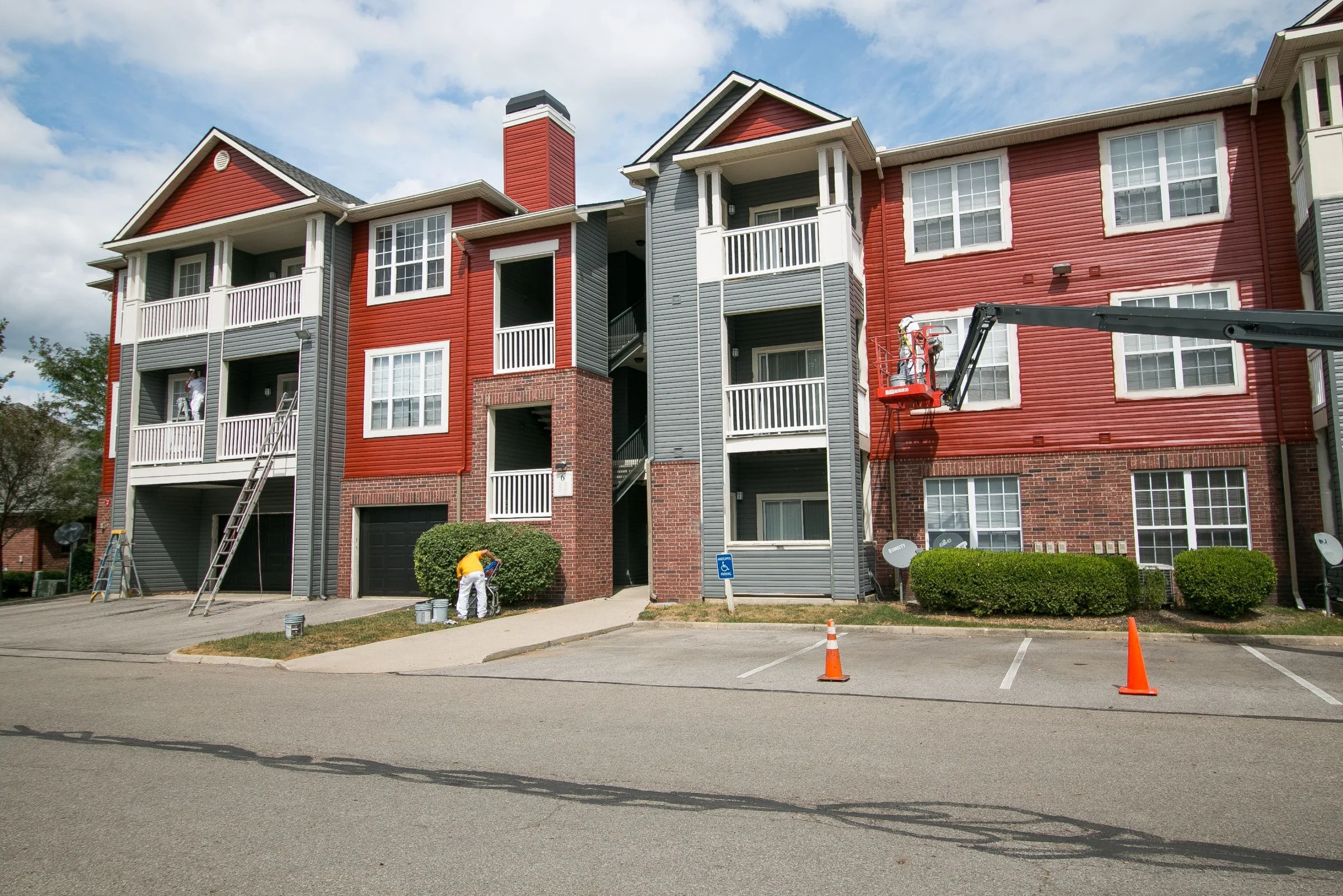
Apartment and Multifamily Roofing With Residents Living Underneath
Review the scope, field conditions, system options, and planning considerations for this commercial roofing topic.
Read More →
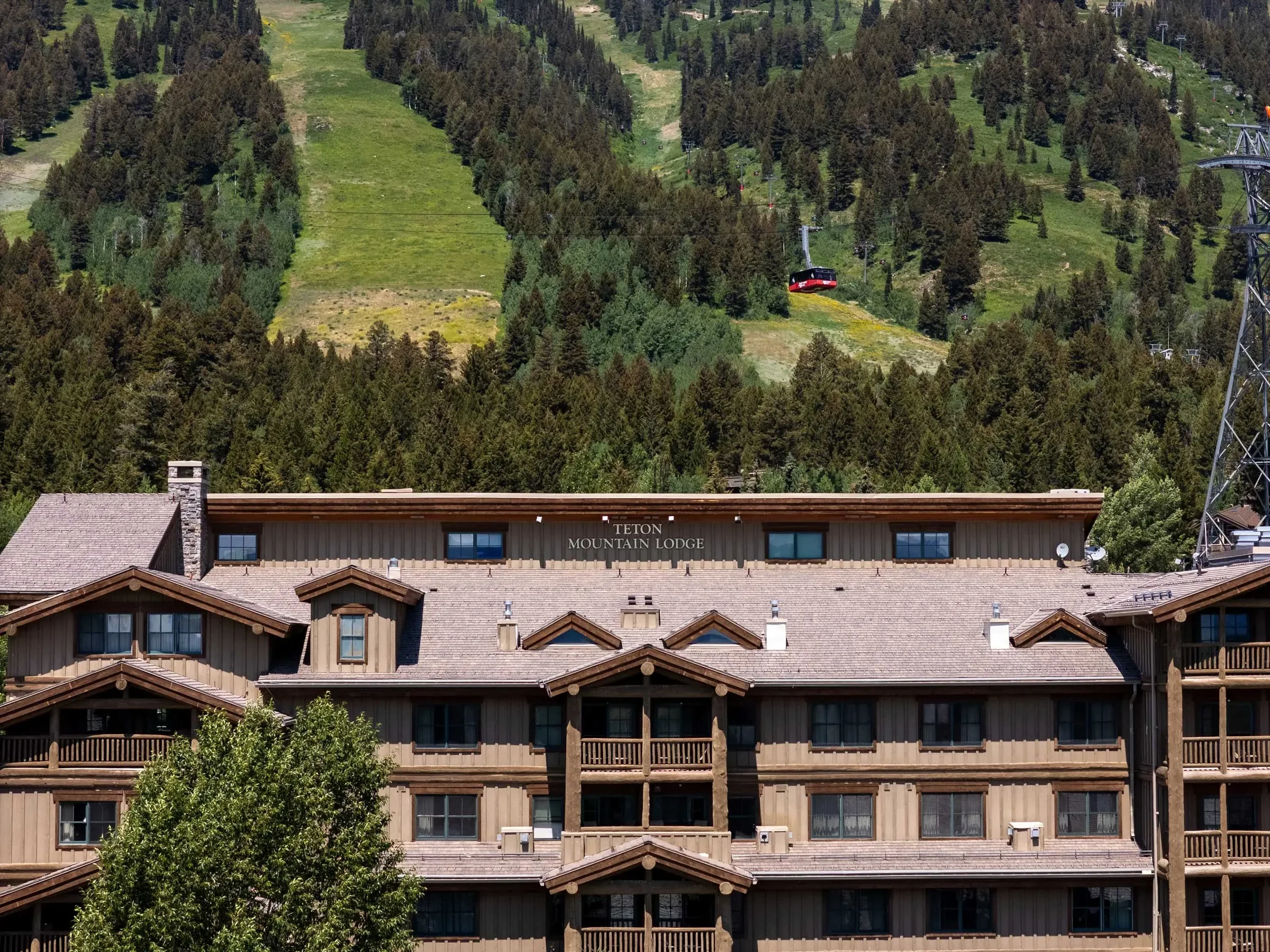
A hotel roof doesn't get to close for the project the way an office building can shut a floor for a weekend. Guest wings stay booked, banquet halls stay on the event calendar, and a bid that doesn't account for that reads like it was written for a warehouse. We scope hotel work around occupancy first, then the membrane.
The most common gap in a hotel roof quote is silence on noise curfews. Guests booked into rooms directly under a tear-off don't tolerate demolition starting at seven in the morning, and a contractor who hasn't priced in a later start or quieter equipment on those sections is going to blow the schedule the first week the general manager starts fielding complaints.
The second gap is guest displacement cost. If a wing has to go offline during the work, that's lost room revenue the property has to plan around, and a bid that doesn't flag which sections require full closure versus which can stay occupied under protection isn't giving the owner a real number to work from.
Event calendar conflicts are the third miss. A property with a booked wedding block or a corporate conference weekend can't have a crane staged in the porte-cochère that day, and we pull the events calendar before we ever propose a start date.
The Wolf Road corridor through Colonie and Latham carries a strip of business-travel hotels built for airport and highway access, most on flat membrane roofs over standard guest wings with rooftop package units serving each floor. These are relatively uniform roofs, and the work is mostly about coordinating around a steady stream of one-night stays rather than dealing with unusual construction.
Downtown Saratoga Springs is a different building stock entirely. Older hospitality buildings sit closer to the street with steeper roof sections, parapet walls tied into historic facades, and a summer surge tied to the racetrack and the City Center convention business that turns July and August into the worst possible window for a roof project. We push that work toward spring or fall whenever the schedule allows it.
Downtown Albany's hotels near the Empire State Plaza and the Capital Center convention space carry a third pattern: larger flat roofs over conference and banquet space, sized for a building that has to host a trade show one week and a normal occupancy the next.
An indoor pool enclosure runs constant humidity and chlorine off-gassing into the roof deck above it, and that combination degrades fasteners and insulation faster than a standard guest room roof. We check for that exposure separately rather than assuming pool-wing roofing performs on the same timeline as the rest of the building.
Banquet halls and conference rooms need wide clear spans below, which means the roof structure above carries fewer interior supports and larger rooftop mechanical units clustered in one area. Kitchen exhaust adds grease-laden air venting straight through the roof deck, and that penetration needs its own flashing detail and a cleaning schedule the roofer coordinates with the kitchen, not a generic curb pulled off a shelf.
We break hotel roofs into sections small enough to fully dry in every day, moving wing by wing instead of opening the whole roof at once. That keeps water exposure limited to one section at a time and gives the front desk a predictable answer when a guest asks about the noise or the equipment sitting in the parking lot.
Material staging and dumpster placement get worked out with the general manager before mobilization, not on day one when a delivery truck blocks the porte-cochère during checkout. Racing season in Saratoga, foliage season for corridor hotels, and conference-heavy fall months at the downtown properties all shift the ideal start date, and we plan around the property's actual booking calendar rather than a generic construction season.
Storm response works differently here too. A hotel with active leaks over occupied rooms needs a tarp and dry-in the same day, not a scheduled slot two weeks out, and we treat guest room water intrusion as an emergency call regardless of what else is on the calendar.
Usually, yes, if the work is phased by wing and sequenced around the noisiest tasks. Sections directly under active demolition may need blocked rooms for a few days at a time, but a full property closure is rarely necessary if the schedule is planned around occupancy from the start.
We set start times later than a standard commercial job for sections above occupied rooms and sequence the loudest demolition work away from wings with guests checked in that day, working from the front desk's occupancy report rather than a fixed schedule.
Often, yes. Sustained humidity and chlorine exposure wear membrane and fasteners faster over a pool area, and we spec that section separately rather than running one material across the entire roof regardless of what's underneath it.
That gets treated as an emergency tarp and dry-in call the same day, ahead of scheduled work, because water intrusion over an occupied room is a guest safety and liability issue the property can't wait on.
We ask for the booking and events calendar before proposing dates, and for a property with a heavy conference or wedding season, planning the start date months out avoids the conflicts that turn a two-week job into a six-week one.