Hotel and Hospitality Roofing With Guests Still Checked In
Review the scope, field conditions, system options, and planning considerations for this commercial roofing topic.
Read More →
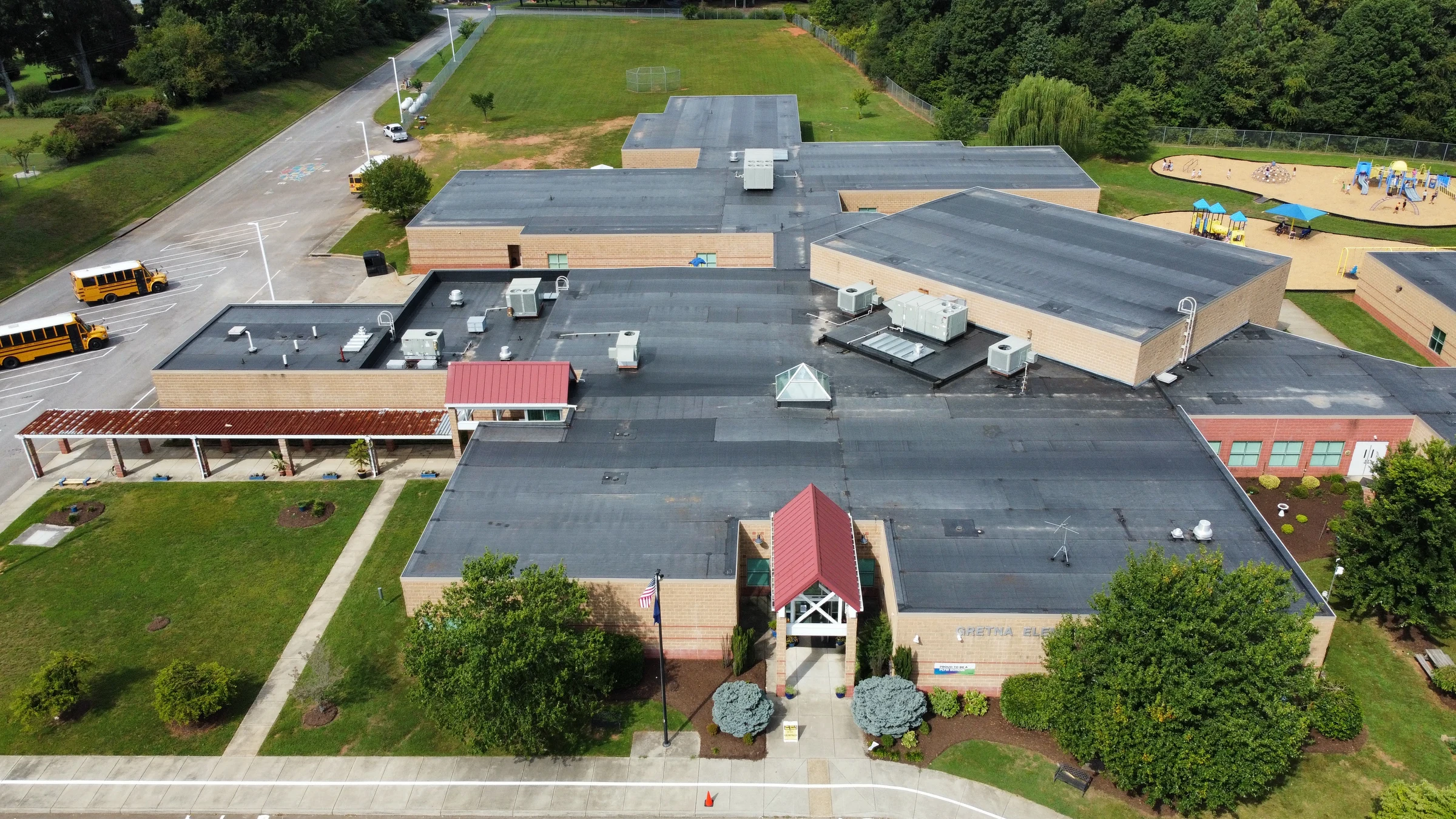
Shenendehowa, North and South Colonie, Guilderland, Bethlehem, Niskayuna, and the Albany and Troy city districts each run capital project bidding rules that a lot of roofing bids don't actually price correctly. A number that skips prevailing wage, bonding, and State Education Department approval steps isn't a real bid for a school project, it's a that turns into a renegotiation once the district's business office reviews it.
Public school roofing work carries the same prevailing wage and certified payroll requirements as other municipal work, plus state aid reimbursement documentation that has to match the district's capital project approval on file. A contractor unfamiliar with that process either misses the paperwork entirely or discovers mid-project that reimbursement is at risk because the documentation wasn't structured the way the state requires.
We build that documentation into the project plan from the proposal stage, because a district business office finding out about a paperwork gap after work has started has no good options left.
A school building's gym and cafeteria roofs typically span wider open structural bays than classroom wings, which changes the fastening pattern and structural loading calculation compared to the rest of the building. Shenendehowa, one of the largest suburban districts in the state, and similarly sized districts like Guilderland and Bethlehem all carry multiple schools with this same wide-span condition, and each one needs its own engineering check rather than a generic school-roof spec applied uniformly.
A school roof project that isn't finished before students return isn't a minor delay, it's a missed deadline with a building full of children and a district calendar that doesn't bend. We build the schedule backward from the first day of school, lock material lead times early enough to avoid a supply delay eating into the buffer, and flag any risk to the completion date well before it becomes one.
Older district buildings sometimes carry roof sections that predate current snow load code, and identifying that early in the summer gives a district time to plan a proper fix instead of a rushed patch before the buses run again in September.
The City School District of Albany manages older urban school buildings with roof stock that's seen more patch-and-repair cycles over the decades, while suburban districts like Clifton Park's Shenendehowa and Guilderland manage a mix of building ages from postwar construction through more recent additions. Both face the identical hard deadline of the first day of school, regardless of building age or roof history.
Yes, and a bid that doesn't account for certified payroll and prevailing wage classification isn't pricing the job correctly. We build that into the estimate from the start so it doesn't surface as a renegotiation after award.
Reimbursement documentation has to match the district's approved capital project scope precisely. We structure our documentation to that requirement from the proposal stage rather than assembling it after the district's business office asks for it.
Gym and cafeteria roofs typically span wider structural bays than classroom wings, which changes the fastening pattern and loading calculation. We review those sections separately rather than applying one spec across the whole building.
We treat that possibility as unacceptable from the planning stage, locking material lead times early and building buffer into the schedule so a supply delay doesn't put the completion date at risk.
Often, yes. Urban buildings with more patch-and-repair history sometimes need deck and insulation attention that a newer suburban school roof doesn't, and we scope each building on its actual condition rather than assuming uniform needs across the district.