Commercial Roof Insurance Claims in Albany, NY
Review the scope, field conditions, system options, and planning considerations for this commercial roofing topic.
Read More →
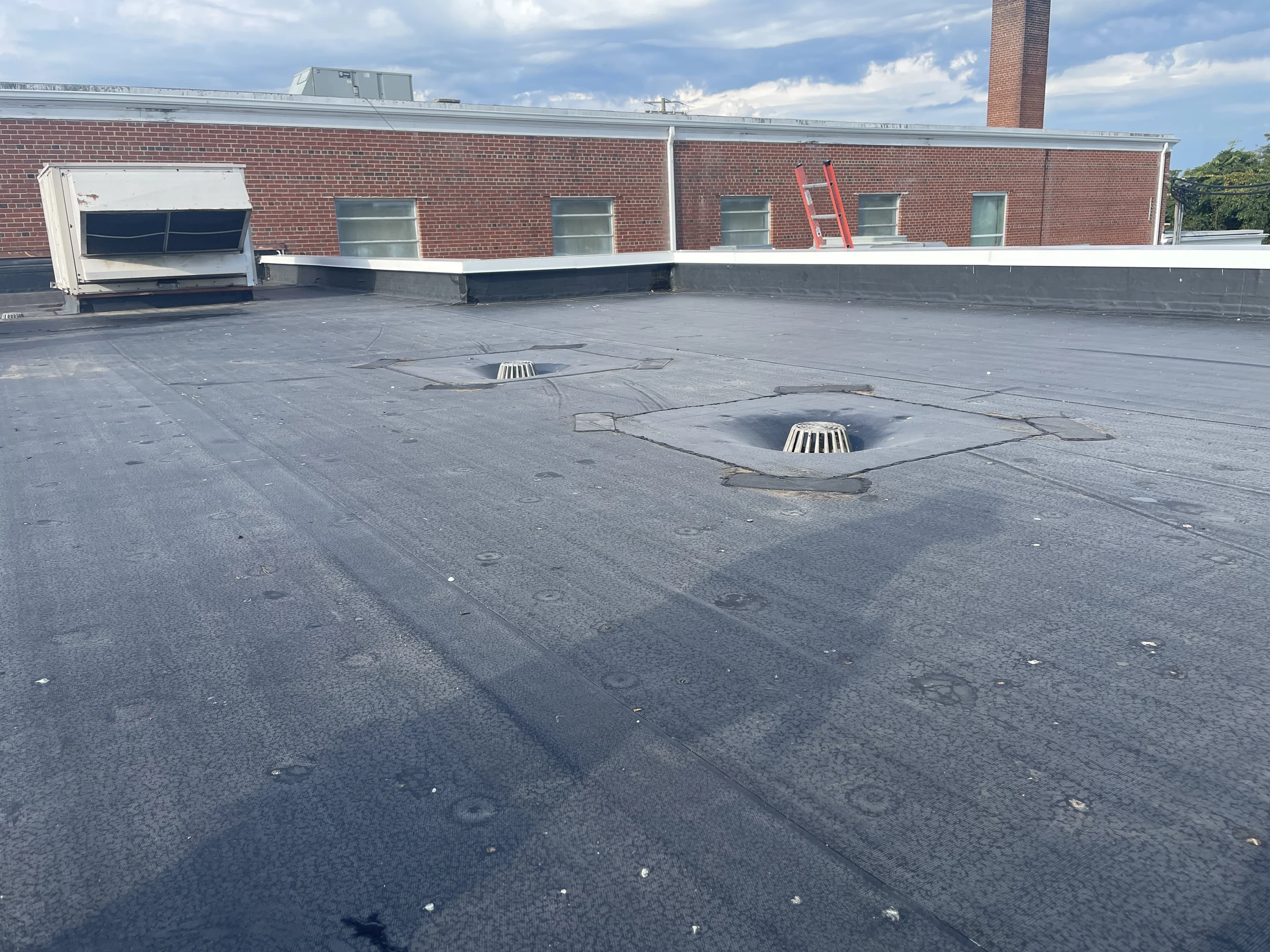
Wind and hail get more attention nationally, but around Albany, Schenectady, and Troy the roof insurance claim we document most often starts with an ice dam, not a dramatic storm. A flat commercial roof holds meltwater at a blocked drain, that water refreezes overnight, and the cycle repeats until water finds a seam it shouldn't. By the time a tenant reports a ceiling stain, the damage has usually been building for weeks, which makes documentation timing and thoroughness matter more on a snow and ice claim than on almost any other kind.
The Capital Region sits far enough from Lake Ontario and Lake Erie that true lake-effect bands are usually weaker here than in Buffalo or Syracuse, but the region still gets hit by lake-enhanced snow on a northwest flow, on top of its own regular nor'easter track up the Hudson Valley. On a flat commercial roof, the problem isn't the snow itself, it's what happens when partial melting refreezes at a drain, scupper, or parapet edge and starts building an ice dam that backs water up under the membrane. We see this pattern on built-up and modified bitumen roofs around the older parts of Albany and Troy especially, where drainage systems are original to buildings decades old.
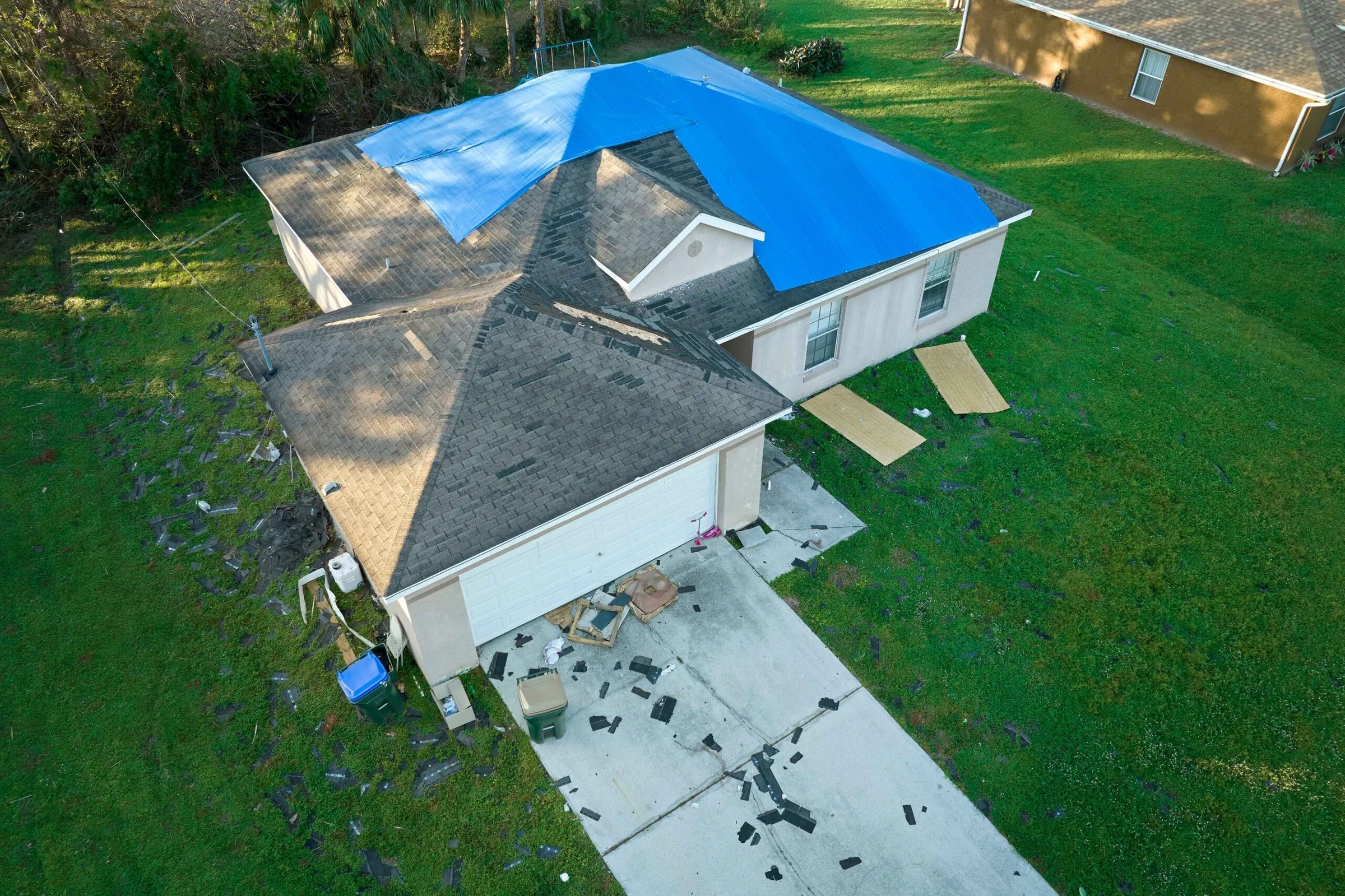
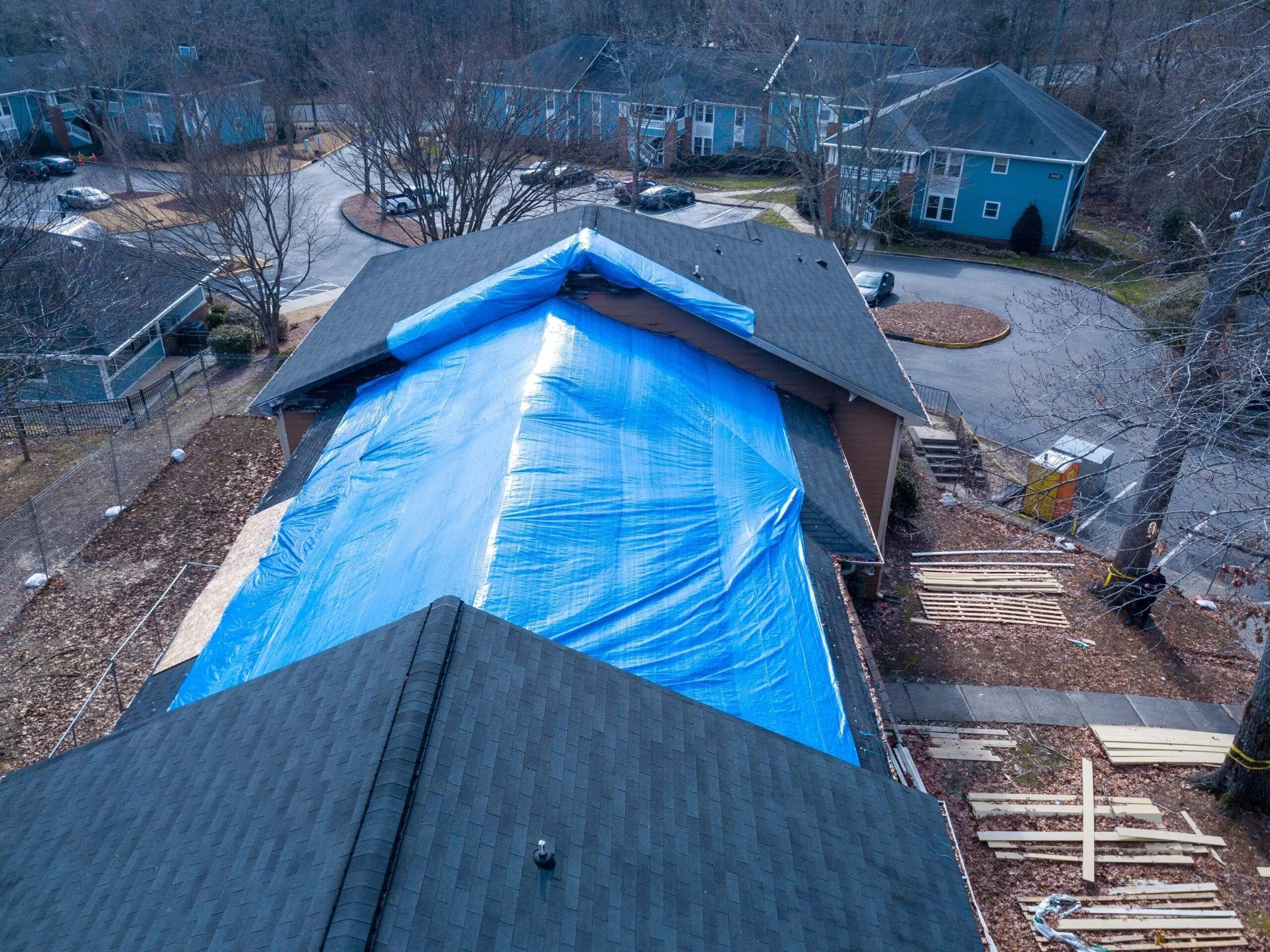
A single nor'easter can drop more wet, heavy snow in one event than a typical Capital Region roof sees across several weeks of ordinary winter weather, and that distinction matters for a claim. Ordinary accumulation is a maintenance issue; a nor'easter snow load event is a documentable storm loss with a specific date an insurer can verify against the National Weather Service record. We note the storm date, the accumulation, and the specific roof areas showing stress, sagging deck, ponding at a previously functional drain, membrane strain at a parapet, separately from general winter wear.
Because ice dam damage develops over time rather than in a single visible event, we document as close to the storm event as roof access allows, then again as the ice clears, since some damage (membrane strain, fastener backout, insulation saturation) is easier to see once the ice itself has melted off. We photograph the ice dam location, the drain or scupper it formed at, and any interior staining that maps back to that location, so the file connects cause to effect rather than presenting a leak with no documented origin.
Between named storm events, the Capital Region's freeze-thaw pattern, above freezing during the day, below freezing overnight, stresses membrane seams and flashing details in a way that's harder to tie to a single date than a nor'easter is. We document freeze-thaw related deterioration honestly as a distinct category from acute storm damage, because conflating the two weakens a claim's credibility rather than strengthening it. Where freeze-thaw damage compounds an acute storm loss on the same roof section, we describe both and let the adjuster see the full picture.
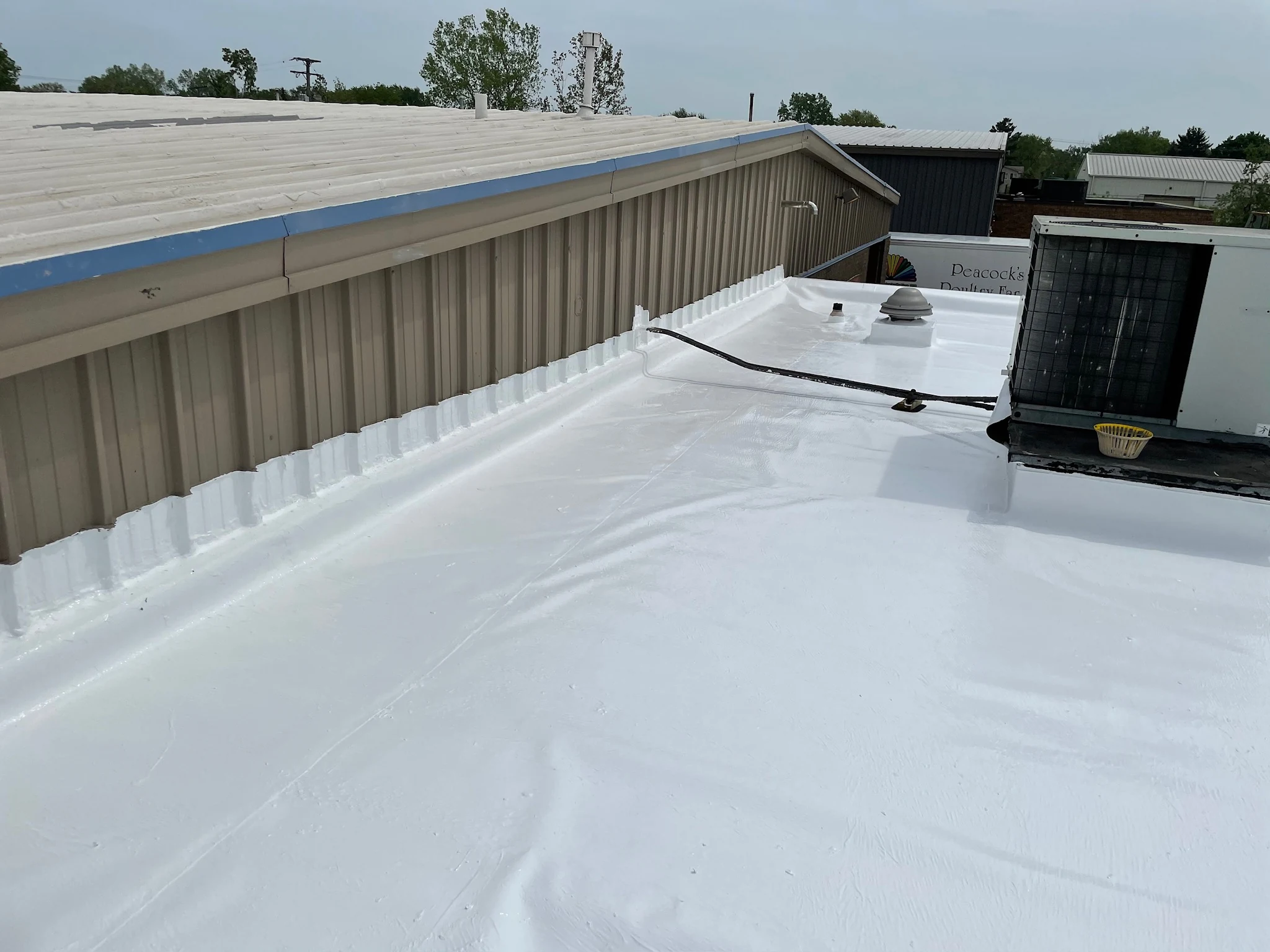
An ice dam repair scope that only patches the leak point without addressing the drainage problem that caused the ice dam in the first place is incomplete, and an adjuster reviewing a claim file recognizes that gap. We scope drain and scupper corrections, tapered insulation where code requires it at a repaired drain area, and saturated insulation replacement, rather than membrane patching alone, because a scope that ignores the underlying drainage cause invites a repeat claim the following winter.
We're your roofing contractor, not a public adjuster. We document the ice dam and snow load damage and write the repair scope; we don't estimate a settlement value or negotiate with the carrier on the owner's behalf.
We document the specific storm date, the location of the ice formation, and photograph the affected drainage point, then compare that against the roof's prior condition where records exist. We're honest when a drain was already partially restricted before the storm, because that distinction affects how the claim should be scoped.
No. Photograph and call as soon as it's safe to access the roof. Ice accumulation itself is part of the record, and some conditions are easier to see before the ice clears while others are easier to see after, so documentation at both stages is useful.
Not always. If we see indicators of structural stress on an older building, sagging deck, unusual deflection, we'll flag it and recommend an engineer evaluate that specific concern, since structural assessment is outside a roofing repair scope.
We document the roof-level cause and connect it to the interior damage location with photos and notes, which supports the interior portion of the claim, though the interior repair scope itself is typically handled by a separate contractor or restoration company.
Yes, when a roof takes cumulative damage across more than one event in a season, we document each dated occurrence separately so the file shows the full sequence rather than one undifferentiated loss.