Snow & Ice Roof Damage Insurance Claims in Albany, NY
Review the scope, field conditions, system options, and planning considerations for this commercial roofing topic.
Read More →
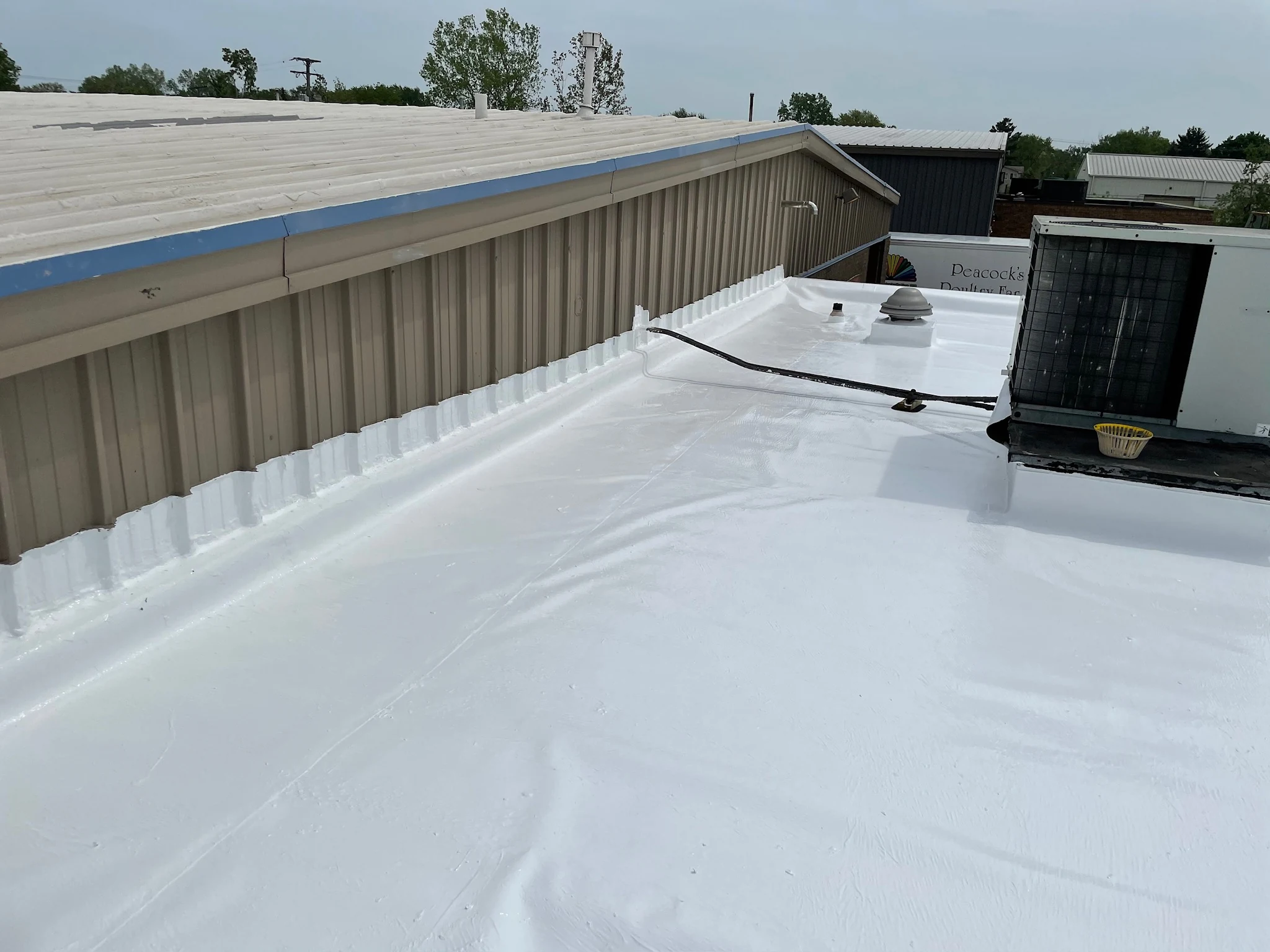
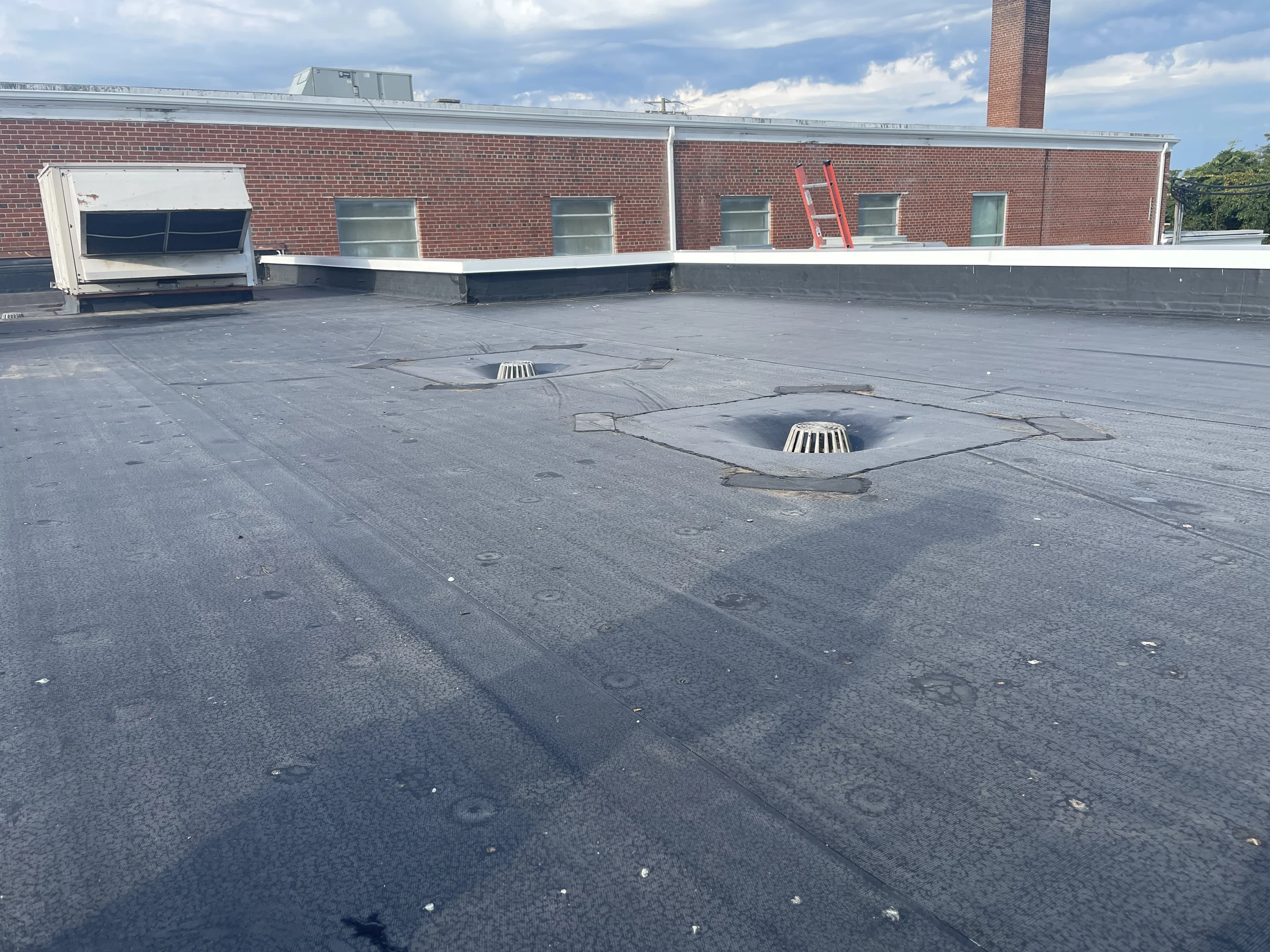
A commercial roof insurance claim moves or stalls based on what's in the file, not on how the damage looked the day it happened. By the time an adjuster schedules a visit, the roof has usually been walked, tarped, or rained on again, and the strength of the claim depends on whether someone documented the original condition before that happened. We're the roofing contractor on that documentation, not the party negotiating the claim itself.
An insurer needs three things before a commercial roof claim moves forward: proof the damage happened, proof of what it will take to fix it correctly, and a scope an adjuster can verify against the policy. Property owners around Albany, Schenectady, and Troy often assume the claim process starts with a phone call to their agent, but the stronger starting point is a roof inspection that produces the record the agent's claim will need. We build that record first.
We photograph damage at the location it was found, log measurements where they matter (membrane thickness, ponding depth, wind-uplift indicators at edges and corners), and note moisture readings when interior staining suggests a wet insulation problem below the surface. We also photograph areas that weren't damaged, because a file that shows the whole roof condition holds up better under review than one that only shows problems. None of this is written to make a case; it's written to describe what's actually there.
When it's useful, we walk the roof with the adjuster or their engineer and explain what we found and why we scoped the repair the way we did. Having the contractor present to answer technical questions, about membrane condition, drainage function, or how a specific wind or snow event caused a specific failure pattern, tends to move that conversation faster than a written report alone. We describe our findings; the adjuster makes the coverage determination.
Underinsured claims are usually a scope problem more than a documentation problem. A repair estimate that only covers the visibly damaged section, while skipping code-required upgrades like tapered insulation at a drain, updated edge-metal fastening to current wind-uplift standards, or matching an existing system so the finished roof doesn't have a visible patch, leaves real cost the owner ends up covering out of pocket later. We write the full scope up front, including the code and matching items an insurer's own adjuster would expect to see, so nothing legitimate gets missed.
A denial or a low initial number isn't always the end of the conversation. Often it means the insurer's file didn't have enough documentation to support the full scope, not that the damage wasn't real. When an owner comes to us after a claim has already gone sideways, we do a fresh roof assessment, compare it against what was actually submitted, and produce documentation that fills the gaps, photos of areas that weren't originally photographed, measurements that weren't originally taken, a scope that accounts for what the first estimate left out. What the owner does with that documentation from there, whether that's a re-inspection request, an appeal, or bringing in a public adjuster, is their call.
Distribution buildings along the I-87 and I-90 corridor carry large flat membrane roofs where a single storm event can affect tens of thousands of square feet, and getting documentation organized fast after the storm matters more on a building that size than on a small retail unit. Older institutional buildings around the Capitol complex and SUNY-area campuses carry built-up roofing that's already near the end of its service life, which means separating storm-caused failure from pre-existing wear is part of doing the documentation honestly. We handle both the same way: describe what's there, tie the scope to what we found, and let the facts carry the claim.
We're your roofing contractor, not a public adjuster. We document and substantiate the roof damage so you and your adjuster work from an accurate, complete scope; we don't file the claim, negotiate the settlement, or guarantee a payout.
It can, depending on the cause of loss, the age and condition of the roof, and the specific policy language, including any actual cash value versus replacement cost provisions. We can document current roof condition and cause of damage, which is what an insurer or agent needs to evaluate coverage, but the coverage decision itself is between the owner and the carrier.
Generally: damage is discovered or a storm event occurs, the owner reports the claim to their carrier, an adjuster is assigned, and a roofing contractor documents the damage and scopes the repair. We fit into that process at the documentation and scoping stage, and we're available to meet the adjuster on site when that's useful.
Start with a fresh inspection to see whether the original submission had complete documentation. A lot of denials trace back to a file that was missing photos, measurements, or a scope tied clearly to storm causation, gaps we can help close with a new assessment.
We scope based on what the roof's condition and remaining service life actually support, repairable damage on a roof with years of life left gets a repair scope, and damage on a roof that's near end of life or where repair can't be reliably matched to the existing system gets a replacement recommendation. We document the reasoning either way.
No. We're the roofing contractor, and our role is producing accurate documentation and a defensible repair scope. Negotiating coverage and settlement value is between the owner, their agent, and the carrier, or a public adjuster if the owner chooses to bring one in.
As soon as it's safe to access the roof, and sooner for buildings with active leaks or ongoing water intrusion. Documentation is strongest when it's captured close to the storm event, before weather or repair activity changes what's visible.