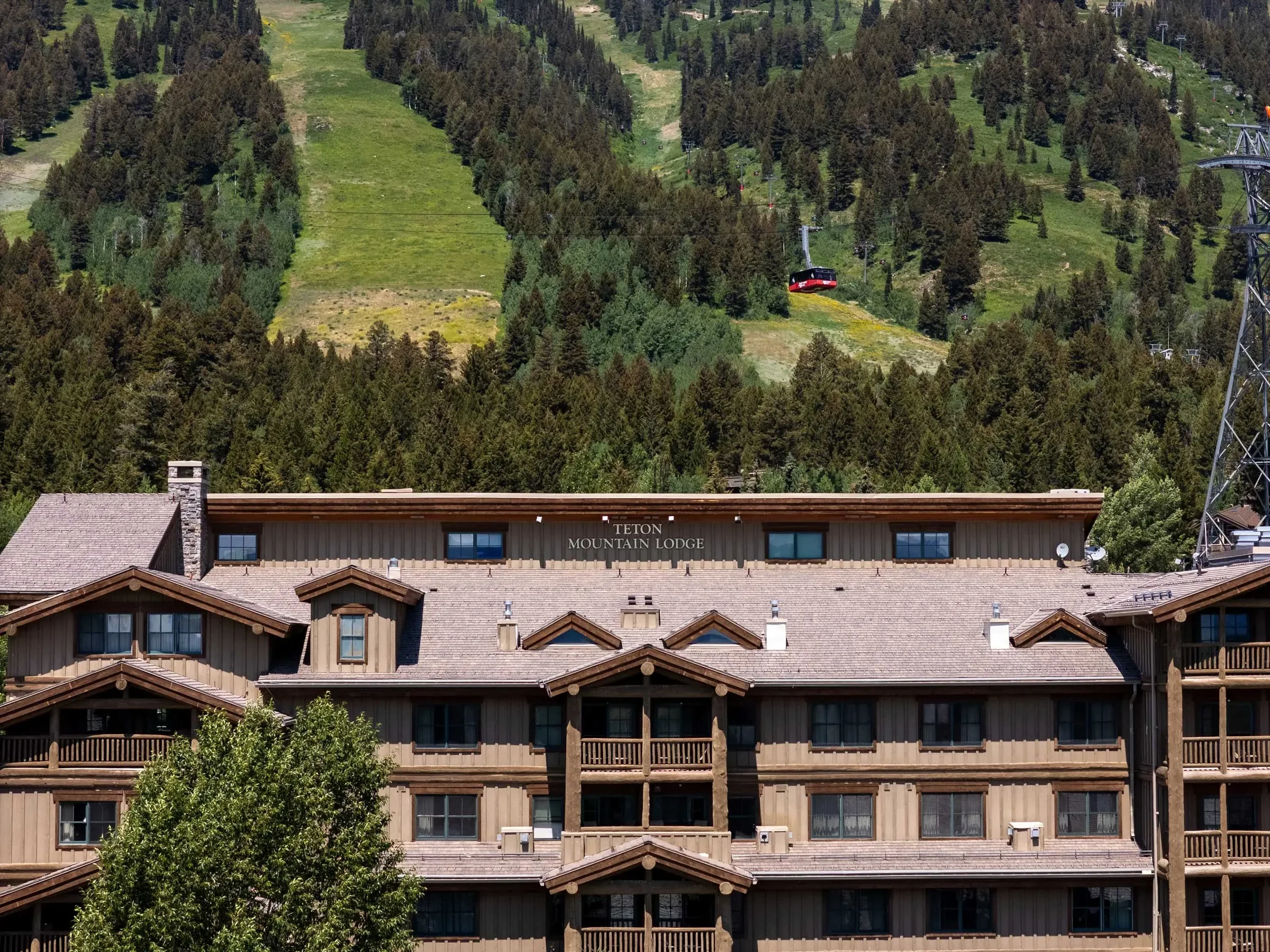
Hotel and Hospitality Roofing With Guests Still Checked In
Review the scope, field conditions, system options, and planning considerations for this commercial roofing topic.
Read More →
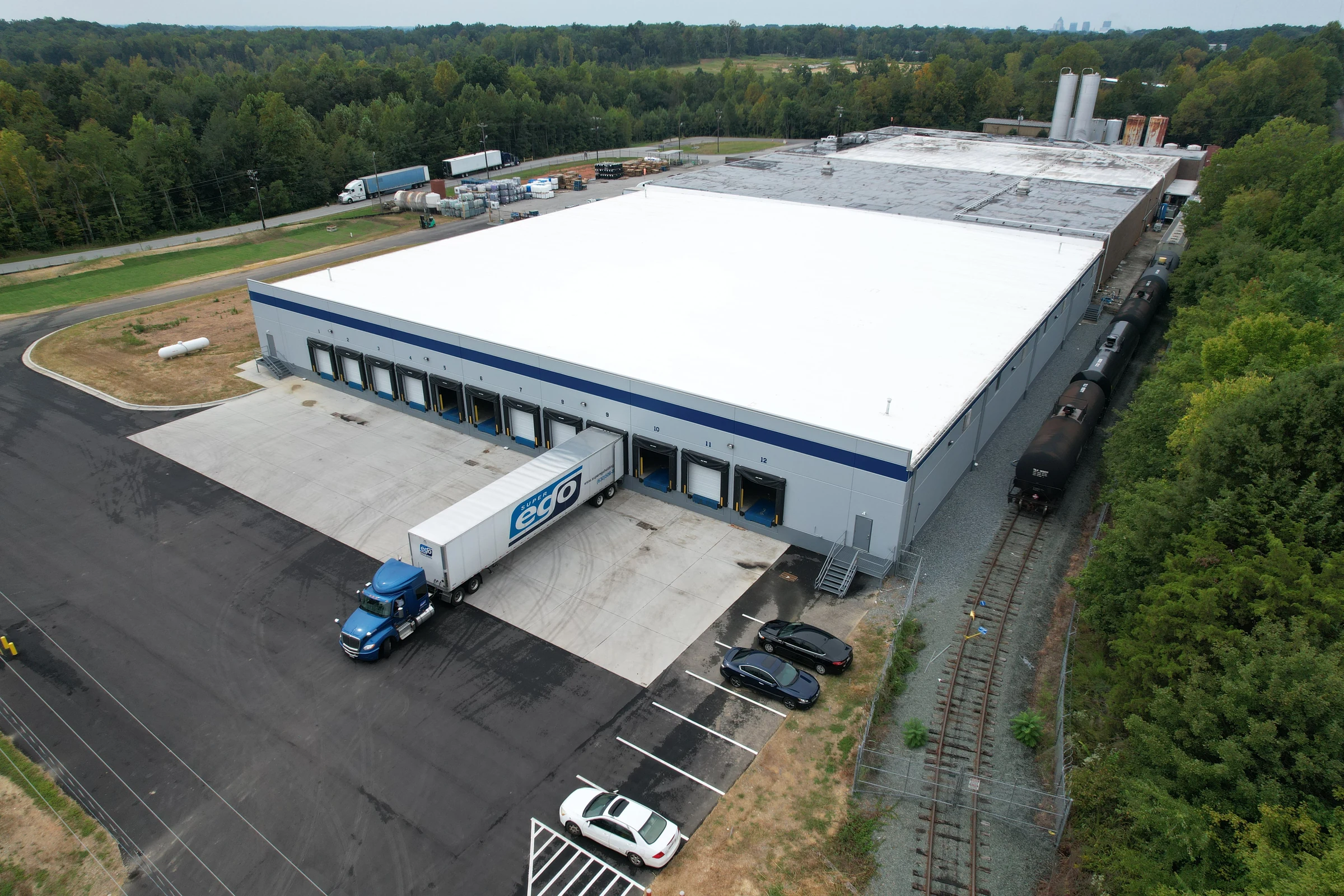
A distribution roof isn't priced like a warehouse just because both are flat and made of steel decking. Scale changes the economics of every part of the job, from drainage design to how many crews it takes to keep a fulfillment operation running while the roof above it gets replaced.
A roof the size of the fulfillment centers off I-90 in Schodack covers ground measured in acres, not square feet on a small commercial job, and a flat per-square-foot number ignores how drainage, material logistics, and crew staging change at that scale. Getting materials onto a roof that large efficiently, and getting tapered insulation right so a roof this size doesn't pond in the low points, takes a different plan than scaling up a small retail job.
We price distribution roofs off an actual drainage and staging plan, not a rate card, because the rate that works on a forty-thousand-square-foot building doesn't hold up on four hundred thousand.
The fulfillment and distribution buildings along I-90 in Schodack run continuous shift operations, which means roof access has to work around active loading dock traffic and material flow that never fully stops. CSX's Selkirk rail yard, one of the largest classification yards in the Northeast, has warehouse and transload buildings nearby that face similar operational tempo, and the Port of Coeymans marine industrial park adds its own mix of large-span warehouse and staging structures tied to barge and rail freight movement.
Distribution centers along this corridor rarely have a slow season a roofing project can hide inside. We sequence tear-off and replacement in sections tied to the building's actual traffic patterns, keeping loading docks and the busiest aisles clear while work moves through quieter zones first.
Weather contingency planning matters more here than on a smaller building simply because of exposure: an open section on a roof this size represents real risk if a storm moves in faster than forecast, so we plan conservative daily section sizes rather than opening more roof than we can dry in before quitting time.
Buildings near active rail yards and marine industrial operations see different rooftop debris and vibration patterns than a standalone suburban warehouse, and we account for that during inspection rather than assuming a standard wear profile. Coeymans' riverfront exposure also brings humidity and occasional flood-adjacent conditions into how we detail low points and drains near the building perimeter.
It usually doesn't, once drainage and staging are engineered correctly at scale, but a bid built off a small-job rate card without a real drainage plan will either underprice the job or leave the roof prone to ponding in the low points.
In most cases, yes. We sequence the work in sections tied to your actual traffic patterns, keeping loading docks and the busiest aisles clear while work proceeds through lower-traffic zones of the roof first.
We plan conservative daily section sizes so every opened area gets fully dried in before crews leave, rather than opening more of the roof than we can close out in a single work day.
It can. Rail-adjacent buildings sometimes see different debris and vibration patterns than a standalone suburban building, and we account for that during inspection instead of assuming a generic wear profile.
Riverfront humidity and flood-adjacent site conditions change how drains and low-point detailing near the building perimeter need to be handled, and we factor that into the design rather than using a standard inland detail.